Saudi Arabia opens property ownership to foreign buyers from 22 January, Makkah and Madinah restricted
Non-Saudis can now apply to own property in Riyadh and Jeddah through a digital platform.
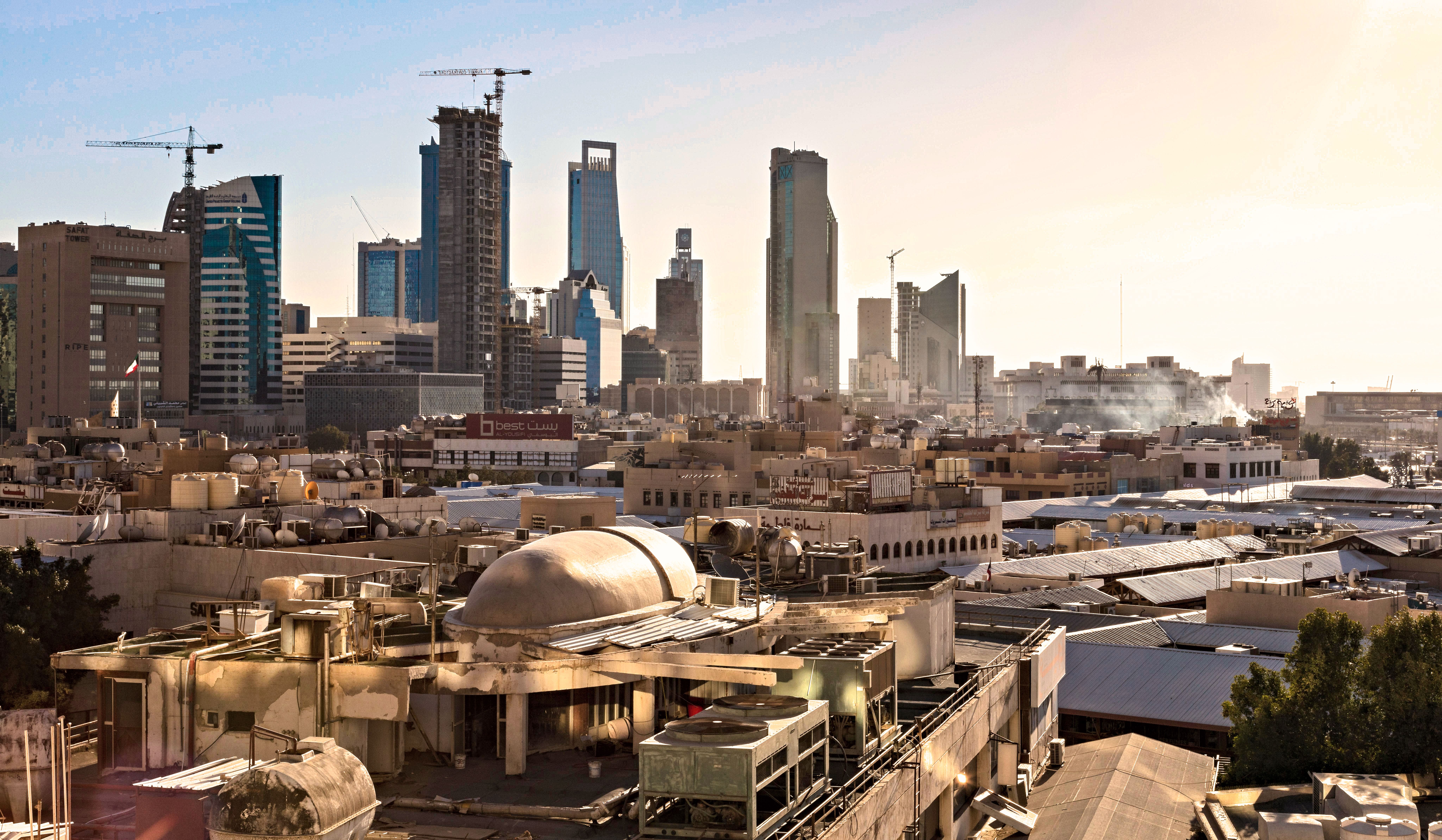
Saudi Arabia’s amended real estate ownership framework took effect on 22 January 2026. Non-Saudi individuals, companies and entities can now apply to own property across the Kingdom, including in major urban centres such as Riyadh and Jeddah. Applications are made through the Saudi Arabia Real Estate digital platform.
Ownership in Makkah and Madinah remains limited to Saudi companies and Muslim individuals. At the Real Estate Future Forum in Riyadh, property developers said they are seeing increased interest from international investors following the amendments. They said the regulations permitting foreign ownership of land are beginning to influence market behaviour, including decisions by developers and speculators, and are already shaping large-scale projects.
What changes
The framework opens property ownership to non-Saudis across the Kingdom, with a separate rule for the two holy cities. Eligibility is not limited to private buyers. Foreign companies and entities can apply as well as individuals. In Makkah and Madinah, ownership stays limited to Saudi companies and Muslim individuals, so foreign companies and entities cannot own property in either city.
| Location | Who can apply to own property |
|---|---|
| Riyadh | Foreign individuals, companies and entities |
| Jeddah | Foreign individuals, companies and entities |
| Other areas of the Kingdom | Foreign individuals, companies and entities |
| Makkah | Saudi companies and Muslim individuals only |
| Madinah | Saudi companies and Muslim individuals only |
Applications for ownership go through a single digital channel, the Saudi Arabia Real Estate platform.
Key facts
| Item | Detail |
|---|---|
| Date in effect | 22 January 2026 |
| Application channel | Saudi Arabia Real Estate digital platform |
| Eligible applicants | Non-Saudi individuals, companies and entities |
| Scope | Property across the Kingdom, including land |
| Named cities open to foreign buyers | Riyadh, Jeddah |
| Restricted cities | Makkah, Madinah (Saudi companies and Muslim individuals only) |
Context
One large-scale project already shaped by the change is Alma Destination, a waterfront mixed-use tourism development on the Red Sea coast in Jeddah. Plans encompass residential units, hospitality offerings, marina facilities and entertainment venues. The development is opening opportunities for hospitality operators and investors.
Zuhair Bakheet, CEO of Al Thuraya Al Omranya Properties and master developer of Alma Destination, said the project’s location in Jeddah, between the holy cities of Makkah and Madinah, enhances its appeal to international buyers. “If we attract people who would love to have a unit within the Makkah and Madinah region, it’s a good option,” he said. He named Malaysia, Indonesia and Egypt as Muslim countries whose buyers would love to have a unit within close proximity of the holy cities.
Emaar Economic City, the main developer of King Abdullah Economic City, is also factoring the change into its strategy. Chief Investment Officer Ali Al-Khatib said: “We believe these new regulations for non-Saudi ownership are a significant turning point in the real estate sector in the Kingdom, and specifically for King Abdullah Economic City.” He said the company had already seen interest from last year, before the system was launched, with interest “from all around the world”, including Southeast Asia, Africa, Europe and the West.
| Developer | Project | Markets named |
|---|---|---|
| Al Thuraya Al Omranya Properties | Alma Destination, Red Sea coast, Jeddah | Malaysia, Indonesia, Egypt (named as likely buyers) |
| Emaar Economic City | King Abdullah Economic City | Southeast Asia, Africa, Europe, the West (interest already received) |
What it means for operators
For short-term rental and hospitality operators, the reform widens who can own property in the Kingdom. Foreign individuals can now apply to own units in cities such as Riyadh and Jeddah, which enlarges the pool of potential property owners. Where those owners buy into tourism developments, operators with a local presence may find new owner clients.
Foreign companies and entities are eligible too. An international operator can therefore apply to own property directly, rather than working only with Saudi owners. Mixed-use tourism schemes such as Alma Destination, which combines residential units with hospitality, marina and entertainment components, are among the projects where developers see opportunities for hospitality operators and investors.
The demand developers describe is interest from international investors, and the rules have only just taken effect. Operators should treat this as an early indication of foreign appetite and plan around the geographic limits. Any foreign-entity ownership plan must leave out Makkah and Madinah.
| Next step | Why |
|---|---|
| Review eligibility on the Saudi Arabia Real Estate platform | Applications for ownership are made there |
| Exclude Makkah and Madinah from foreign-entity plans | Ownership there is limited to Saudi companies and Muslim individuals |
| Talk to developers of tourism schemes in Jeddah and King Abdullah Economic City | Both report interest from international investors |
| Consider buyers from Malaysia, Indonesia and Egypt for Jeddah stock | A Jeddah developer names them as likely buyers near the holy cities |
Cover photo: Tayssir Kadamany on Pexels.
Sign in to read the full article
Create a free account or sign in to get full access to Scale Wire's reporting, market data, and industry analysis.
About the author

Scale Team
Editorial Team · Scale Rentals Organisation
Related Articles


More from Scale Wire

Is your property management business too dependent on you?
Growth can bring more work, more decisions and more people relying on you. Here's how to change that

Spain removes 86,275 unregistered short-term rental listings as national register is enforced
Andalusia, Valencia and the Canary Islands account for over half of the listings removed in Spain.
Colombia's Short Term Rentals Grow 561.9% Since 2019 While Hotels Lose Ground
Tourist housing reached about 74,000 registered units while hotel revenue, occupancy and jobs fell.

Smaller Markets Lead Platform Booking Growth as EU Nights Hit 952 Million
Malta, Finland and Norway posted the fastest first-half 2026 growth in platform-booked short stays, while EU27 nights in 2025 stood 86% above 2019.