The Trust Economy: Building Guest Trust in an Uncertain World
Strategies for building traveler trust and loyalty in the short-term rental sector in the face of uncertainty and change.
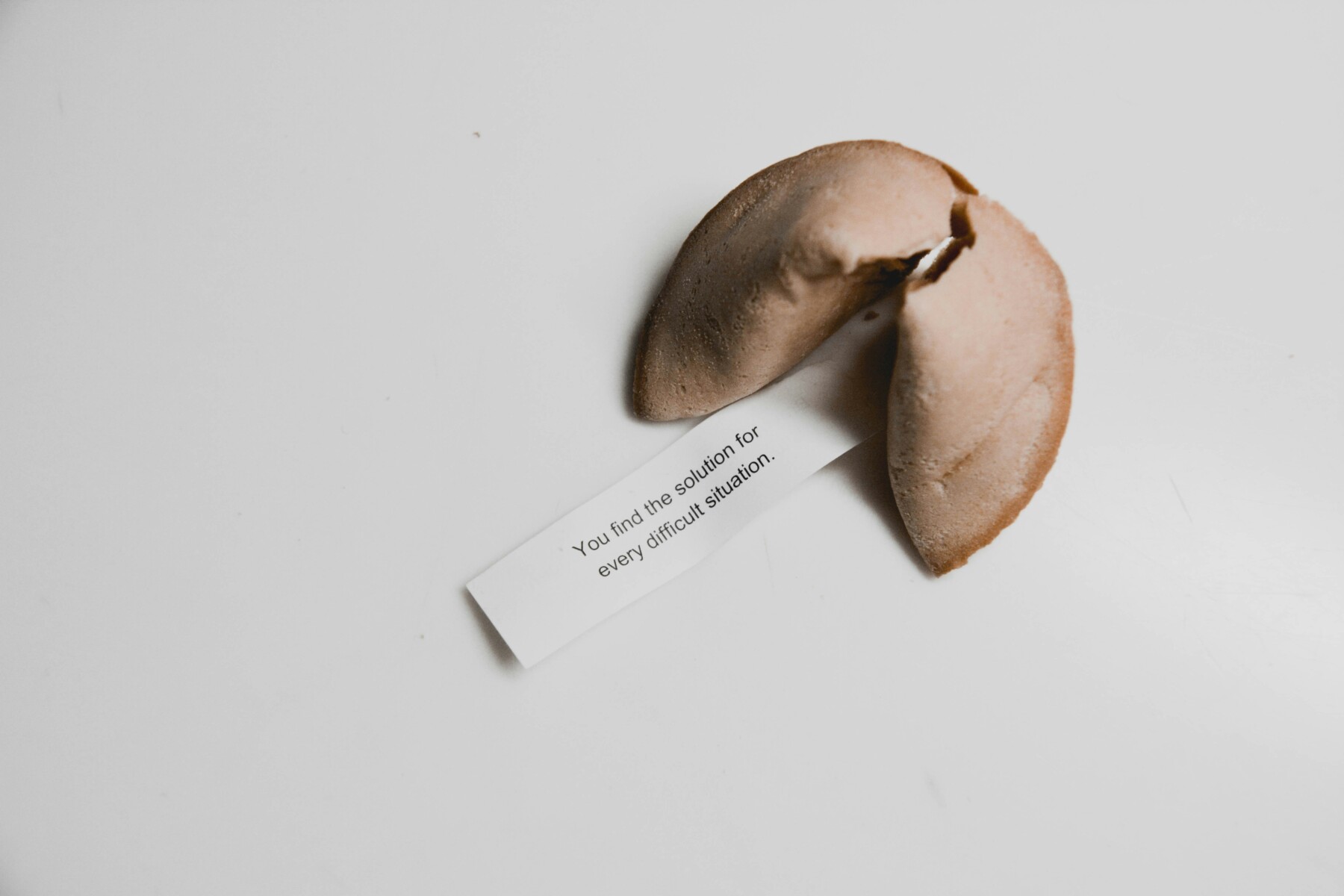
We now know that uncertainty isn’t the exception — it’s the environment we operate in. Political tensions, travel disruptions, health alerts, economic fluctuations… the landscape keeps shifting and travelers are becoming more cautious about how and where they spend their money.
In this context, trust isn’t just a nice-to-have. It’s the currency that determines whether a potential traveler books with you or moves on.
Trust Begins Before the Booking
The trust-building process starts long before the traveler enters their payment details. It begins at the first touchpoint — a search result, a social media post, a friend’s recommendation.
At this stage, what travelers are really asking is: “Can I trust this business to deliver on its promises?”
This means your brand must communicate reliability at every level: clear messaging, professional visuals, transparent pricing, and visible social proof.
Flexibility Is a Trust Signal
One of the biggest shifts in traveler behavior in recent years is the expectation of flexibility. Rigid cancellation policies feel risky in uncertain times. Travelers want to know that if something changes — a cancelled flight, a family emergency — they won’t lose everything.
Offering reasonable flexibility doesn’t mean giving everything away. It means demonstrating that you understand the world your travelers live in.
Reviews Are Your Reputation
In a trust economy, reviews aren’t optional — they’re your most powerful marketing tool. Every positive review is a trust deposit. Every response to a negative review is an opportunity to demonstrate accountability.
Don’t just collect reviews — respond to them, learn from them, and use them to continuously improve.
Communication Builds Relationships
Quick, personal, proactive communication is one of the simplest ways to build trust. When a traveler asks a question and receives a thoughtful response within minutes, that builds trust. When they arrive and find everything exactly as described (or better), that builds loyalty.
The managers who win in a trust economy aren’t necessarily those with the most properties or the biggest budgets. They’re the ones who consistently deliver on their promises, communicate with warmth and clarity, and treat every interaction as an opportunity to strengthen the relationship.
The Long Game
Building trust isn’t a campaign or a one-time initiative. It’s an ongoing commitment that touches every aspect of your operation — from how you write your listing description to how you handle a complaint.
In uncertain times, the operators who invest in trust will be the ones who not only survive, but thrive. Because when travelers trust you, they don’t just book once — they come back, recommend you to friends, and become ambassadors for your brand.
Sign in to read the full article
Create a free account or sign in to get full access to Scale Wire's reporting, market data, and industry analysis.
About the author

Gianpaolo Vairo
Co-Founder · Scale Rentals Organisation
Related Articles
More from Scale Wire

Lisbon's Short-Term Rental Stock Shrinks 37% as Dormant Licences Get Purged
Lisbon's active short-term rentals fall 37% to 11,704 after a purge of dormant licences.
Why finding STR technology is easier than ever. Choosing it isn't.
Hundreds of providers, AI shortlists and endless sources: visibility isn't the same as suitability

Italy's Constitutional Court Strikes Down Emilia-Romagna's Short-Term Rental Zoning Law
Judgment 164/2026 voids the change-of-use rule and municipal zone caps as disproportionate.

Property Manager Data Security: How Safe Is Guest Data in Short-Term Rentals?
Phishing, vendor breaches and new ID rules put STR guest data at risk. Here is how to protect it.